

Activated Carbon for Gold Recovery, Water Treatment & PFAS Removal
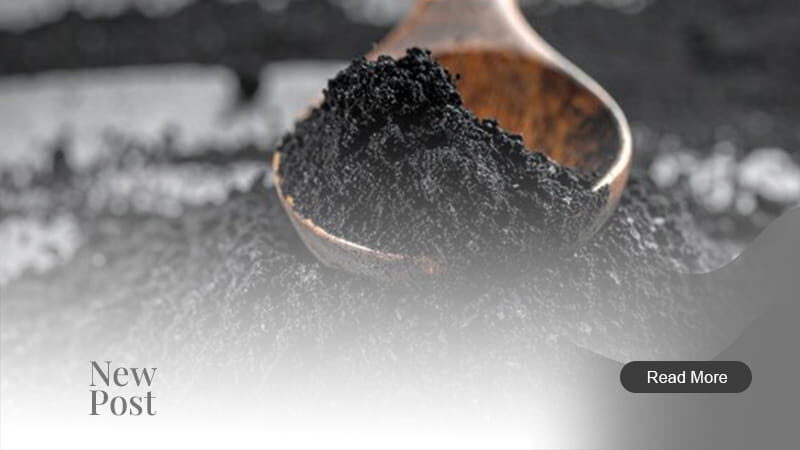
Activated carbon is an important industrial material used in various adsorption processes, particularly in gold recovery, water purification, wastewater treatment, and environmental management.
Its highly porous structure and adsorption properties make it suitable for removing selected substances from liquids and gases.
In the mining industry, activated carbon plays an essential role in recovering dissolved gold from cyanide leach solutions. In water treatment, it is commonly used to reduce organic compounds, chlorine, and certain other contaminants.
The growing interest in advanced water purification technologies has also increased attention toward activated carbon applications for reducing per- and polyfluoroalkyl substances (PFAS).
Indo Golden Carbon provides activated carbon supply solutions for industrial customers, including mining companies, water treatment facilities, importers, and international distributors.
1. Activated Carbon for Gold Recovery
Gold recovery is one of the important industrial applications of activated carbon.
In modern gold processing operations, activated carbon is commonly used to adsorb dissolved gold complexes from cyanide leach solutions.
The adsorption process allows gold to be concentrated onto activated carbon before subsequent recovery operations.
Two widely used processes are Carbon-in-Leach (CIL) and Carbon-in-Pulp (CIP).
What Is Carbon-in-Leach (CIL)?
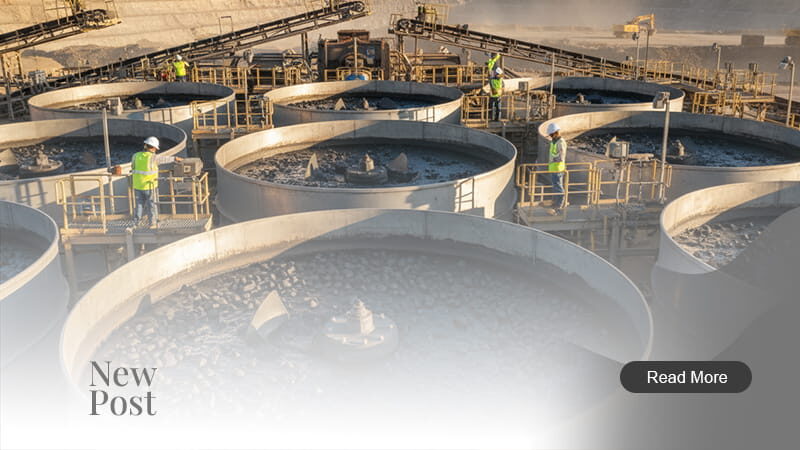
Carbon-in-Leach is a gold recovery process in which leaching and activated carbon adsorption take place simultaneously within a series of tanks.
During this process, gold is dissolved from the ore using a suitable leaching system, typically cyanide under controlled operating conditions.
Activated carbon is introduced into the tanks to adsorb dissolved gold from the slurry.
The carbon containing adsorbed gold is subsequently separated and processed through additional gold recovery stages.
What Is Carbon-in-Pulp (CIP)?
Carbon-in-Pulp is another widely used gold recovery method.
Unlike CIL, the leaching process takes place before activated carbon adsorption.
After gold has been dissolved into the leach solution, activated carbon is introduced into separate adsorption tanks containing the gold-bearing pulp.
The dissolved gold is then adsorbed onto the activated carbon.
The loaded carbon is separated from the pulp and transferred for further processing.
Important Activated Carbon Specifications for Gold Recovery
Activated carbon used in gold mining must meet specific physical and adsorption requirements.
Some important parameters include:
Iodine Value
Iodine value is a common indicator of adsorption characteristics and is frequently included in activated carbon specifications.
Products described as iodine 1000 activated carbon generally refer to a nominal iodine value specification of approximately 1,000 mg/g, subject to the applicable test method and actual COA.
However, iodine value alone does not determine gold adsorption performance.
Hardness
Mechanical hardness is important because activated carbon circulates through tanks, screens, and other processing equipment.
Good mechanical resistance helps minimize carbon losses caused by abrasion and particle breakage.
Particle Size
Particle size affects carbon retention, screening efficiency, and adsorption system performance.
The selected mesh size should match the design and operating conditions of the gold processing plant.
Gold Adsorption Performance
Gold recovery carbon should be evaluated based on relevant gold adsorption characteristics, activity, abrasion resistance, and compatibility with the mining process.
Buyers should request application-specific technical data rather than relying solely on iodine value.
2. Activated Carbon for Industrial Water Treatment
Water is essential for manufacturing, commercial operations, and industrial processing.
However, water sources may contain chlorine, organic compounds, undesirable odors, and various dissolved contaminants.
Activated carbon is widely used as an adsorption medium in water treatment systems.
How Does Activated Carbon Work in Water Filtration?
Activated carbon contains numerous pores that create a large internal surface area.
As water passes through an activated carbon bed, certain dissolved substances can be adsorbed onto the carbon surface.
The performance depends on several factors, including:
- Type and concentration of contaminants.
- Activated carbon raw material.
- Pore size distribution.
- Contact time.
- Water temperature and pH.
- Carbon particle size.
- System operating conditions.
Common Water Treatment Applications
Drinking Water Treatment
Activated carbon can help reduce chlorine, taste, odor, and selected organic contaminants in drinking water treatment systems.
Industrial Process Water
Manufacturing facilities use activated carbon filtration to improve water quality for specific production requirements.
Wastewater Treatment
Activated carbon may be incorporated into wastewater treatment systems to adsorb certain organic compounds and reduce color.
Commercial Water Filtration
Hotels, restaurants, commercial buildings, and water purification businesses may use activated carbon in their filtration equipment.
The appropriate activated carbon grade should always be selected based on the target water quality and treatment objectives.
3. Activated Carbon for PFAS Removal
Per- and polyfluoroalkyl substances, commonly known as PFAS, are a large group of synthetic chemicals used in various industrial and consumer applications.
Some PFAS compounds are persistent in the environment and have become an important concern for water quality management.
As environmental monitoring and regulatory requirements develop across international markets, industries and water treatment operators are increasingly evaluating technologies capable of reducing PFAS contamination.
Activated carbon is one of the established technologies used for treating certain PFAS compounds in water.
How Does Activated Carbon Remove PFAS?
Activated carbon removes certain PFAS compounds through adsorption.
The effectiveness depends on the characteristics of the activated carbon and the properties of the PFAS compounds being treated.
Granular activated carbon (GAC) is commonly used in fixed-bed water treatment systems.
However, not all PFAS compounds behave identically.
Long-chain PFAS compounds are generally more amenable to adsorption by conventional GAC than many short-chain PFAS compounds.
Treatment performance can also be influenced by:
- Natural organic matter in the water.
- Competing contaminants.
- PFAS concentration.
- Empty bed contact time (EBCT).
- Activated carbon pore structure.
- Water chemistry.
- Filter operating conditions.
Why Is PFAS Filtration Important?
PFAS contamination has become an important consideration for drinking water utilities, industrial facilities, environmental treatment operators, and water infrastructure projects.
The United States and European Union have developed regulatory frameworks addressing PFAS in water and environmental protection.
These developments are encouraging water treatment operators to evaluate treatment technologies, including activated carbon filtration.
For suppliers and industrial buyers, understanding the specific PFAS treatment requirements is essential before selecting a product.
Choosing Activated Carbon for PFAS Treatment
When evaluating activated carbon for PFAS applications, buyers should consider:
- The specific PFAS compounds requiring treatment.
- Influent water quality and organic matter concentration.
- Activated carbon raw material and pore characteristics.
- Empty bed contact time.
- Expected carbon replacement frequency.
- Pilot testing and laboratory performance results.
- Applicable regulatory requirements.
It is important to conduct application-specific testing because a high iodine value does not automatically guarantee effective removal of every PFAS compound.
4. Understanding Iodine 1000 Activated Carbon
Iodine value is one of the most commonly referenced parameters in the activated carbon industry.
It is used as an indicator of the adsorption capacity of activated carbon for iodine under standardized testing conditions.
An iodine value of approximately 1000 mg/g is a specification frequently requested by industrial buyers.
However, different applications require different performance characteristics.
For gold recovery, mechanical strength and gold adsorption behavior are important.
For water treatment, pore distribution, contaminant characteristics, and operating conditions must be considered.
Therefore, selecting activated carbon should involve a comprehensive evaluation of technical specifications rather than relying on one parameter alone.
5. Indo Golden Carbon – Activated Carbon Solutions for Industrial Applications
Indo Golden Carbon provides activated carbon solutions for customers across different industrial sectors.
Our product portfolio focuses on several important application categories:
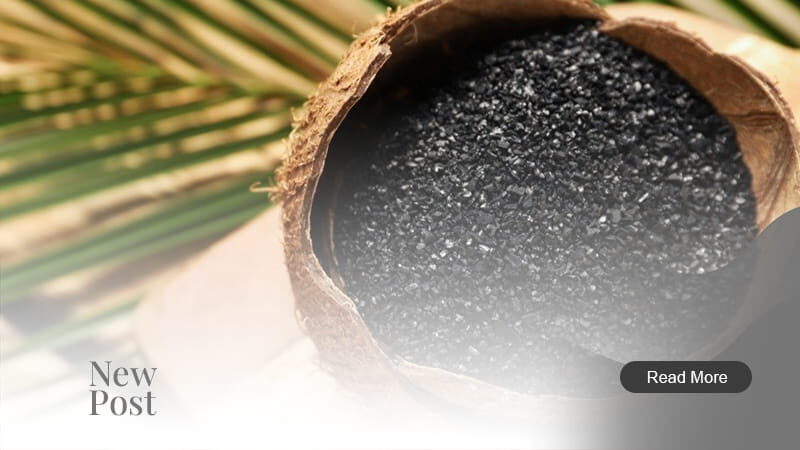
Coconut Shell Activated Carbon
For industrial filtration, water purification, and selected adsorption processes.
Granular Activated Carbon (GAC)
For water treatment, wastewater management, and industrial filtration systems.
Gold Recovery Activated Carbon
For gold mining applications involving Carbon-in-Leach (CIL) and Carbon-in-Pulp (CIP) processes.
Water Treatment and PFAS Filtration Carbon
For selected industrial water purification and contaminant adsorption applications.
We understand that different industries require different activated carbon characteristics. Our approach is to discuss customer requirements and identify suitable product specifications for each application.
6. Bulk Activated Carbon Supply for International Buyers
Industrial customers often require activated carbon in substantial quantities to support continuous production and treatment operations.
For importers, distributors, and industrial procurement departments, supply coordination is an important part of the purchasing process.
Indo Golden Carbon welcomes inquiries regarding:
- Bulk activated carbon requirements.
- Jumbo bag packaging.
- Industrial packaging arrangements.
- Full Container Load (FCL) shipments.
- Product specifications and technical documentation.
- International export coordination.
The final supply arrangement depends on product availability, order quantity, packaging requirements, and destination.
7. Why Choose Indo Golden Carbon?
Choosing an activated carbon supplier is an important decision for industrial operations.
Indo Golden Carbon aims to build long-term relationships with international buyers through professional communication and customer-oriented supply solutions.
Our priorities include:
Product Suitability
Understanding the intended application and technical specifications required by customers.
Bulk Supply Discussions
Supporting industrial procurement requirements and wholesale inquiries.
Technical Information
Providing product-related information to help customers evaluate activated carbon suitability.
International Business Cooperation
Building relationships with importers, distributors, mining companies, and water treatment operators.
Conclusion
Activated carbon continues to play an important role in modern industrial processes, from gold recovery and water purification to advanced contaminant treatment.
CIL and CIP gold recovery systems rely on suitable activated carbon characteristics, while water treatment operators use activated carbon to reduce selected contaminants through adsorption.
As PFAS treatment requirements receive increasing attention, activated carbon also remains an important technology for evaluating suitable water purification solutions.
Indo Golden Carbon is ready to discuss activated carbon requirements for international industrial customers, including product specifications, bulk orders, and export arrangements.
Looking for Activated Carbon for Gold Recovery, Water Treatment, or Industrial Filtration ?
Contact Indo Golden Carbon to discuss your application, request product specifications, and explore suitable activated carbon supply solutions.
Indo Golden Carbon – Premium Carbon, Trusted Worldwide.